
Understanding the psychology behind gambling behavior and decision-making
The Allure of Gambling: Why People Are Drawn In
The psychology of gambling often begins with its inherent allure. The thrill of potentially winning big, combined with the excitement of risk-taking, captures the attention of many individuals. This excitement triggers the release of dopamine, a neurotransmitter associated with pleasure and reward. As players engage in gambling, they experience a rush that can be difficult to resist, leading them to seek out the experience repeatedly. Understanding this attraction helps to clarify why so many people find themselves drawn to gambling activities, whether in casinos or online, such as at https://winissimo-uk.com.
Another important factor is the social aspect of gambling. Many individuals enjoy the communal experience of betting, as it often involves friends and family. This social interaction amplifies the enjoyment and can create a false sense of security, where individuals feel that they are part of a larger community. This camaraderie can further obscure the potential risks involved, leading people to gamble more than they initially intended. This shared experience can create an environment where risky behavior is normalized, making it easier for individuals to overlook the consequences of their actions.
Additionally, many games are designed to engage players on an emotional level. With colorful graphics, enticing sounds, and the potential for large payouts, the environment of gambling is carefully curated to maximize excitement. This sensory stimulation can result in a heightened state of arousal, making it difficult for players to make rational decisions. When in this state, individuals may underestimate their losses or overestimate their chances of winning, further entrenching them in a cycle of gambling behavior.
Cognitive Biases and Their Impact on Decision-Making
Cognitive biases play a crucial role in how individuals make decisions while gambling. One prominent bias is the illusion of control, where players believe they can influence the outcome of a game, such as poker or slots. This belief can lead to overconfidence, causing individuals to gamble more frequently and with larger amounts than they can afford. They may think that their skills or strategies will ultimately lead to success, despite the odds being stacked against them.
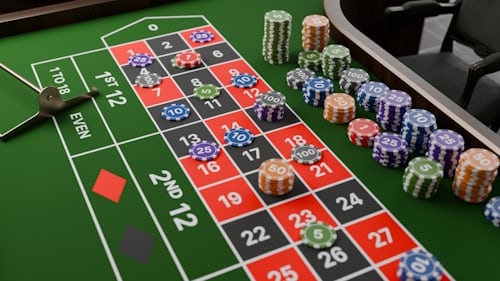
Another common bias is the gambler’s fallacy, where individuals believe that past events can influence future outcomes. For example, someone might think that a particular number in roulette is “due” to win because it hasn’t appeared recently. This misconception can lead to poor decision-making and increased betting, as players chase perceived patterns that do not exist. The persistence of these cognitive biases often fuels a cycle of continued gambling, making it difficult for individuals to recognize their errors in judgment.
Moreover, risk perception significantly influences gambling decisions. Many players may underestimate the risks associated with gambling, viewing it as a form of entertainment rather than a potential financial pitfall. This underestimation can be exacerbated by the availability of gambling platforms that create an illusion of safety and control. As players become more engaged, they may overlook critical information about odds and probabilities, leading them to make uninformed choices and increasing their likelihood of developing problematic gambling behaviors.
The Role of Emotions in Gambling Behavior
Emotions serve as a powerful motivator in gambling behavior. For many individuals, gambling is not just about winning or losing money but also about experiencing excitement, escape, or even relief from stress. This emotional connection can lead to compulsive gambling, as individuals seek to replicate the adrenaline rush or numb their feelings. Understanding this emotional aspect is vital for recognizing why individuals may continue to gamble, even in the face of significant losses.
Additionally, emotional states such as frustration or elation can drastically impact decision-making. When players are feeling down or have lost a few bets, they may chase their losses, believing that they need to win back what they’ve lost. Conversely, a big win can lead to overconfidence, prompting players to bet more than they usually would. This emotional roller coaster highlights the difficulty many individuals have in regulating their gambling behaviors based on rational thought alone.
The relationship between emotions and gambling is further complicated by the concept of escapism. Some individuals turn to gambling as a way to escape from their daily stressors, whether personal or professional. This reliance on gambling as a coping mechanism can create a dangerous cycle, where the individual feels compelled to gamble to escape further, leading to increased time and money spent on gambling activities. Addressing this emotional dependence is crucial in understanding and treating gambling addiction.
Understanding Gambling Addiction and its Consequences
Gambling addiction is a complex psychological condition characterized by an inability to control gambling behaviors despite the negative consequences that may arise. This addiction often leads to financial difficulties, strained relationships, and emotional distress. Individuals may experience guilt, shame, and anxiety as a result of their gambling, which can perpetuate the cycle of addiction, making it challenging to seek help. Recognizing the signs of gambling addiction is essential for intervention and recovery.
One of the critical factors that contribute to gambling addiction is the reinforcement schedule that gambling establishments utilize. Many games provide intermittent rewards, creating a compelling environment where players keep returning in hopes of hitting the jackpot. This unpredictable reward system mimics the mechanism seen in substance addiction, making it difficult for individuals to break free from the hold of gambling. The longer someone remains in this cycle, the more entrenched their addiction may become.
To combat gambling addiction, it’s vital to promote awareness and education about the risks associated with gambling. Initiatives that encourage responsible gaming can help mitigate the potential for addiction by informing players about the odds and providing tools for self-regulation. Additionally, support groups and counseling services play a pivotal role in assisting individuals on their path to recovery, helping them to rebuild their lives and re-establish healthy coping mechanisms.
Winissimo Casino: A Safe Environment for Responsible Gaming
Winissimo Casino is dedicated to providing a safe and enjoyable environment for online gaming enthusiasts. With a commitment to responsible gambling, Winissimo offers various resources to help players make informed decisions. By educating users about the potential risks associated with gambling, the platform strives to create a culture of mindfulness surrounding gaming behaviors. This proactive approach allows players to engage with their favorite games without compromising their well-being.
The casino is licensed by the UK Gambling Commission, ensuring that players can trust the integrity of the platform. Winissimo emphasizes transparency, offering clear information about game odds and features that encourage responsible play. By integrating tools such as deposit limits and self-exclusion options, the casino prioritizes player safety and aims to prevent gambling-related harm.
In addition to its diverse selection of games, including popular slots and live dealer options, Winissimo Casino fosters a welcoming atmosphere for gamers of all preferences. With fast withdrawals and multiple payment methods available, players can enjoy their gaming experience while maintaining control over their gambling activities. Ultimately, Winissimo Casino stands out as a leader in promoting responsible gaming, making it an ideal destination for those looking to enjoy the thrill of online gambling responsibly.

 and then